
Guides · 5 min read
Low, mid, high and skin fades: every fade explained
The complete plain-English guide to fade types — what each one looks like, how much upkeep it wants, and how to ask for exactly the fade in your head.
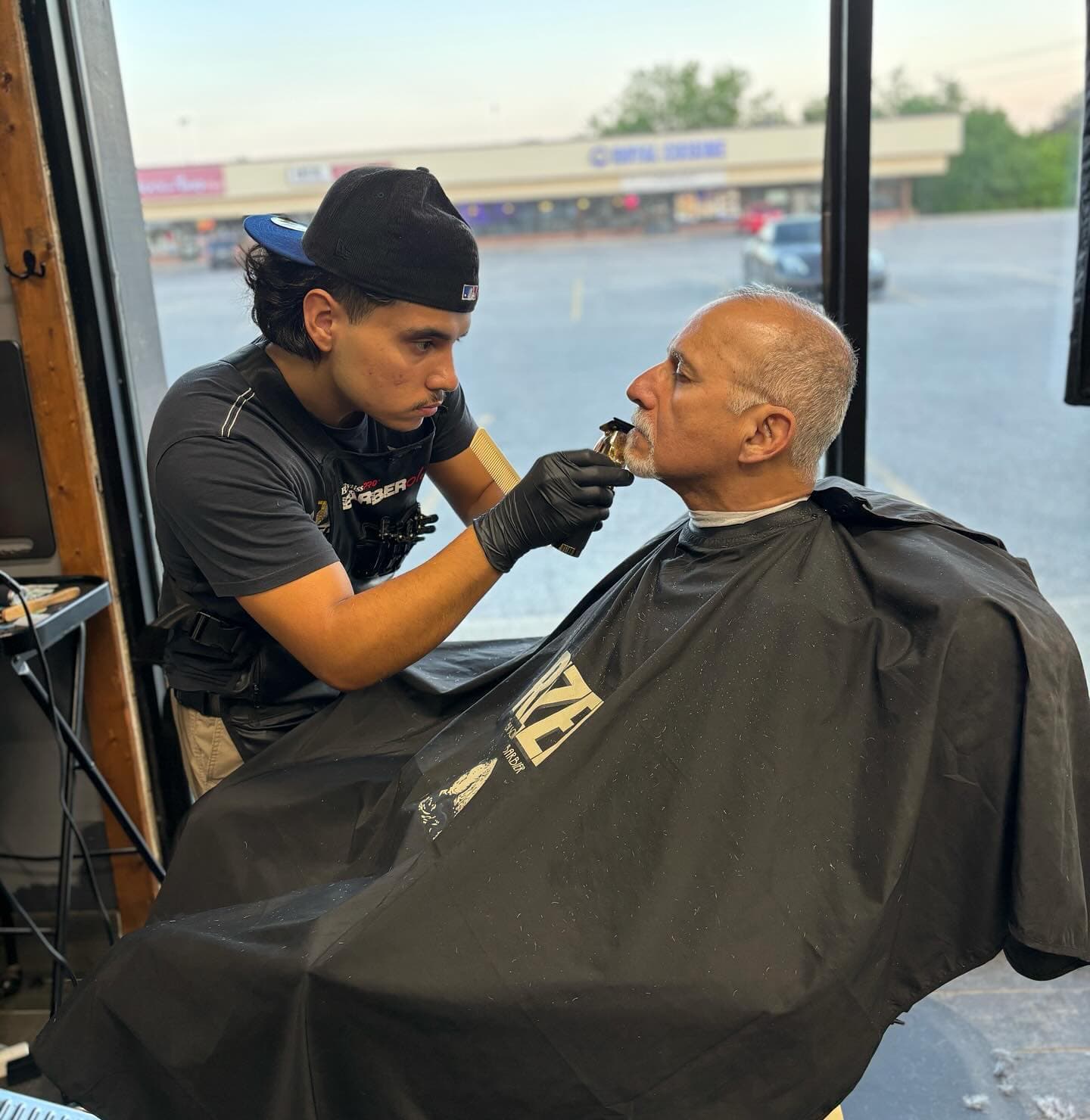
'Fade' is the most-requested and most-misunderstood word in the barbershop. It just means a gradient — hair going gradually from longer up top to shorter (or bare) below. Everything else is where that gradient starts and how far down it goes.
Low fade
The blend starts just above the ears and hugs the hairline. It's subtle, tidy and office-proof — the fade you can take anywhere and the one that grows out most gracefully. Ask for it when you want clean without contrast.
Mid fade
Starts around the temples — the crowd favourite. Enough contrast to notice, not so much that it's the first thing people see. If you're not sure which fade you want, this is the safe, sharp default.
High fade
The gradient starts up near the parietal ridge, leaving a bold band of contrast. It reads as intentional and sharp — and grows out the loudest, so it wants the most upkeep.
Skin (bald) fade
Any of the above taken all the way down to bare skin at the bottom. Maximum contrast, maximum crisp — and the shortest shelf life, about 10–14 days before regrowth softens it.
Taper vs fade — the one that trips people up
A taper only tightens the very edges (sideburns and nape) and leaves the sides mostly alone. A fade graduates the whole side. Every fade is a taper, but not every taper is a fade — so if you want your sides left long-ish, ask for 'just a taper,' not a fade.
Want to see all of this drawn out, with the exact phrase to say in the chair for each one? That's what our Style Explorer is for — fade heights, guard numbers and necklines, all in pictures.