
The style library
Know what you want before you sit down.
Sixteen cuts, drawn on the same head so you can actually tell them apart. Find yours, learn the three things to ask for, and hold it up in the chair.
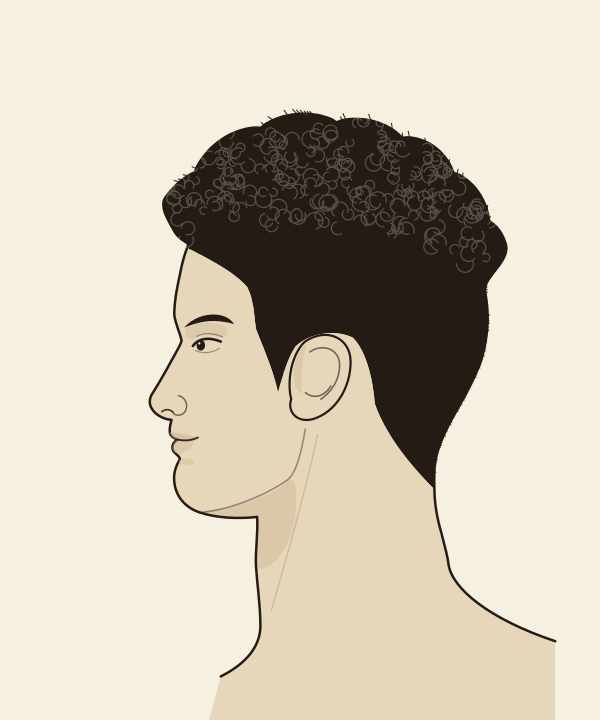
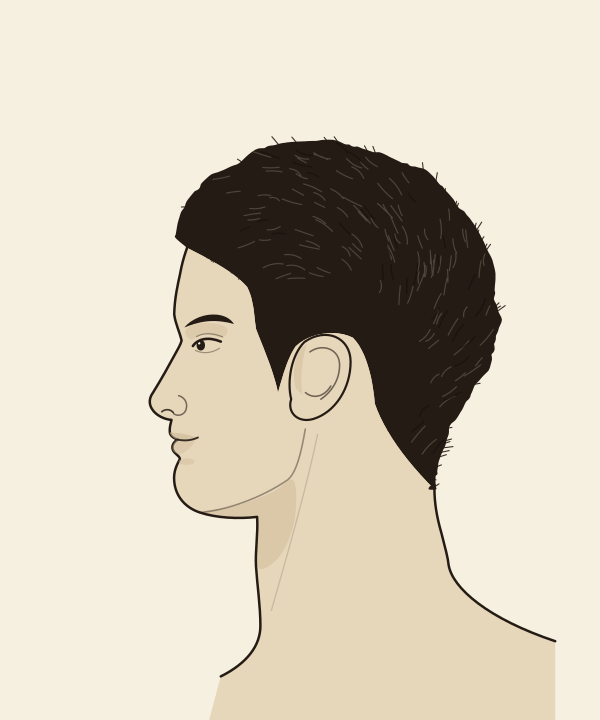
Pl. 13Curly Top
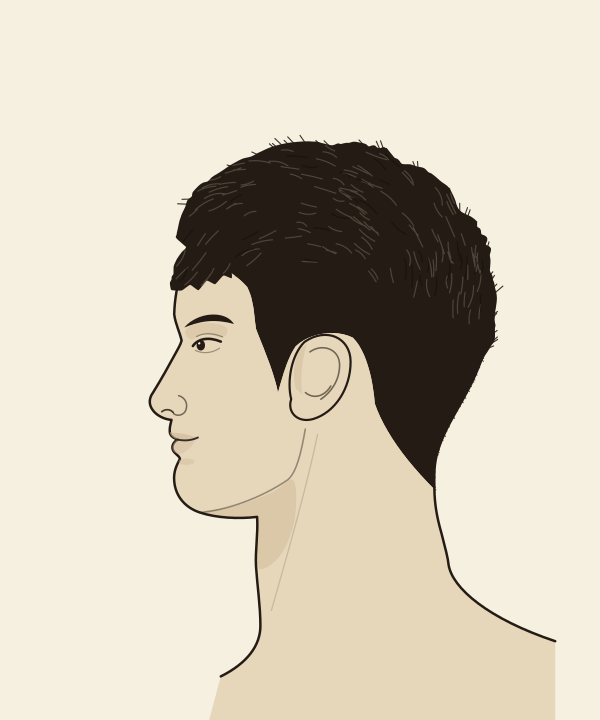
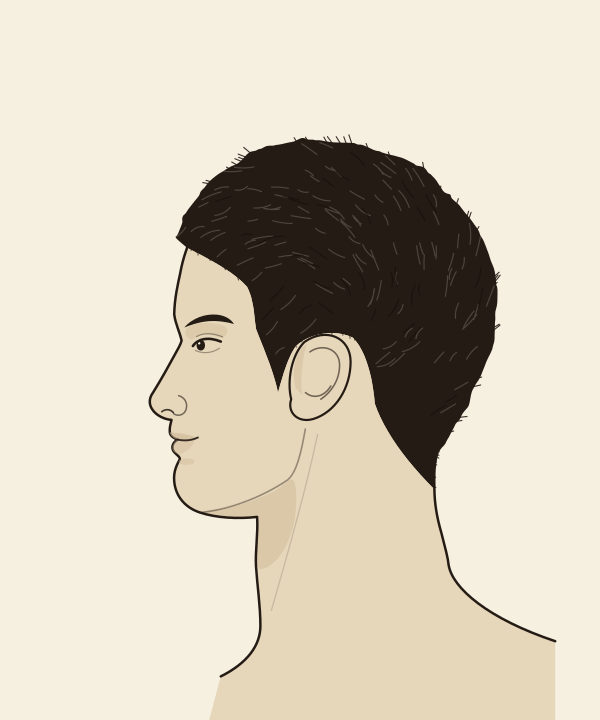
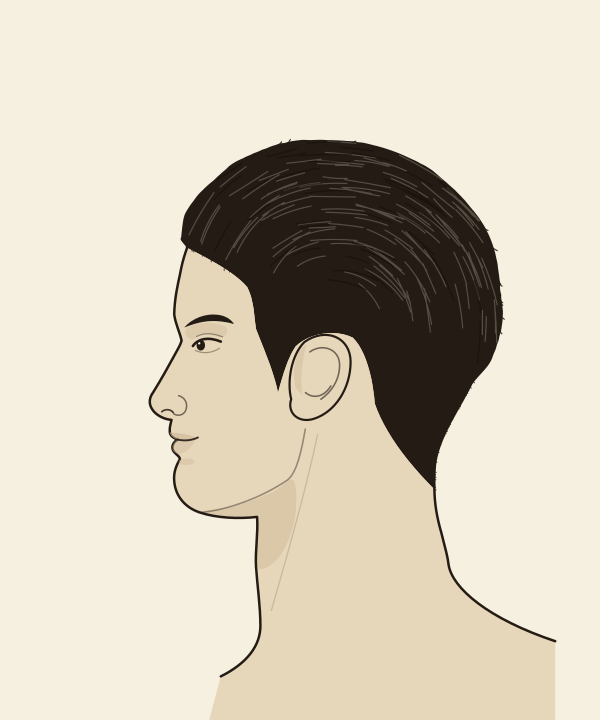
Pl. 01Textured Crop
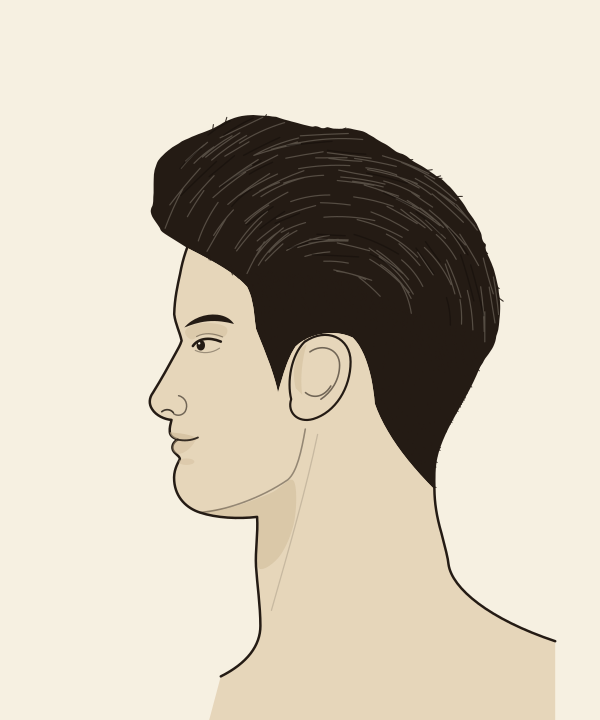
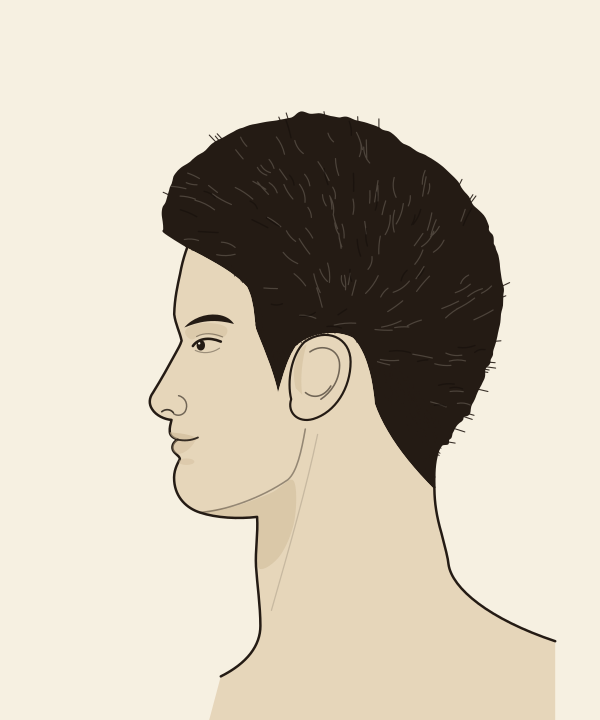
Pl. 10Quiff
The lookbook
Sixteen cuts. One head.
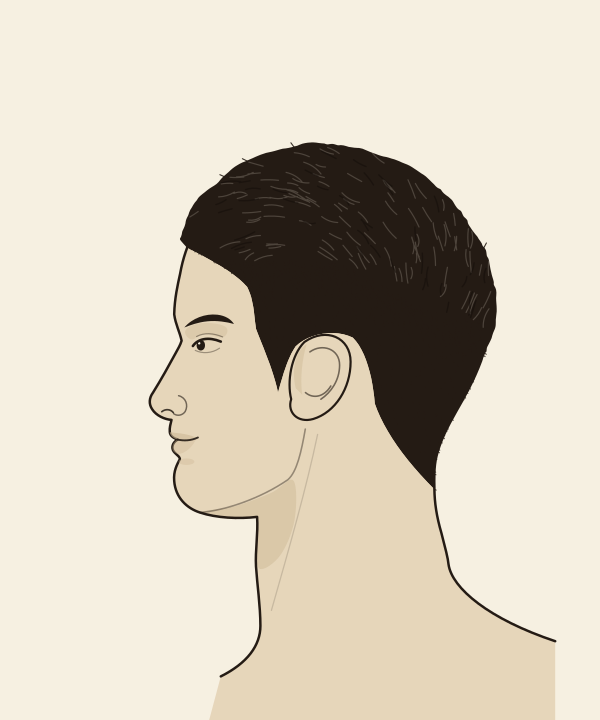
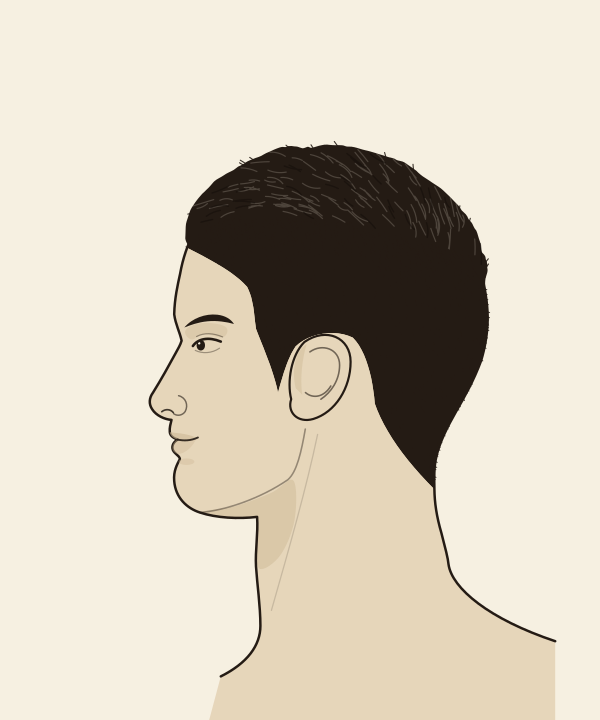
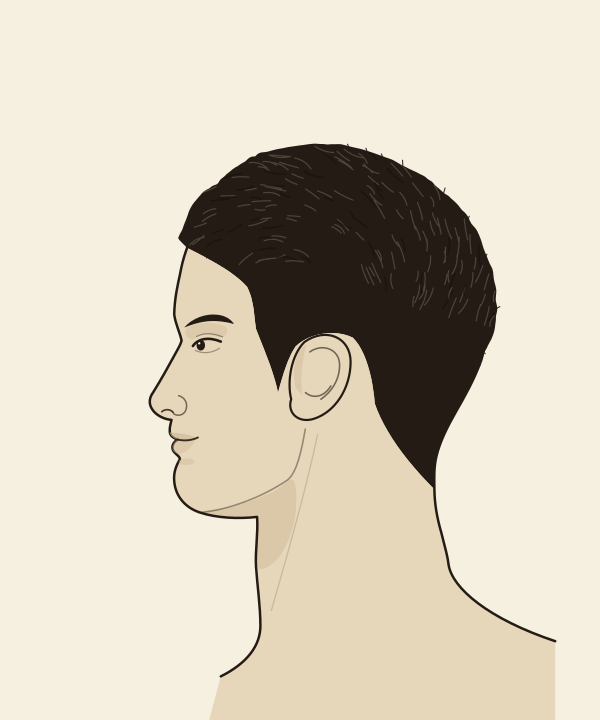
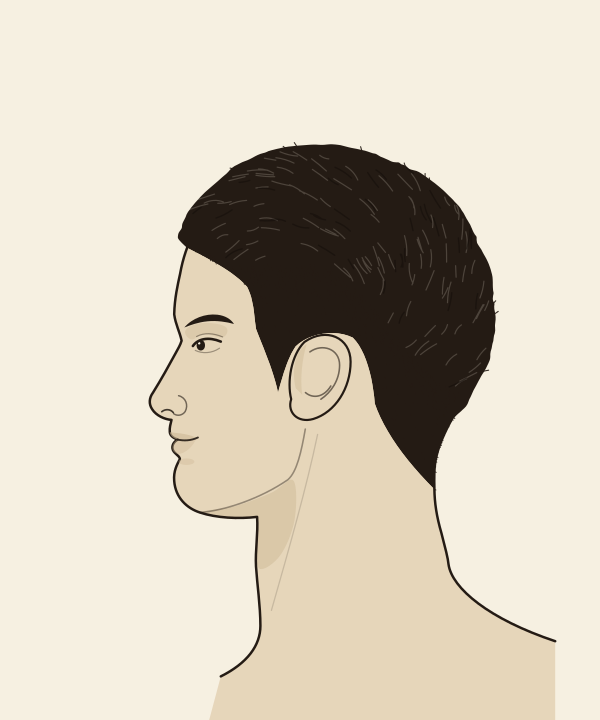
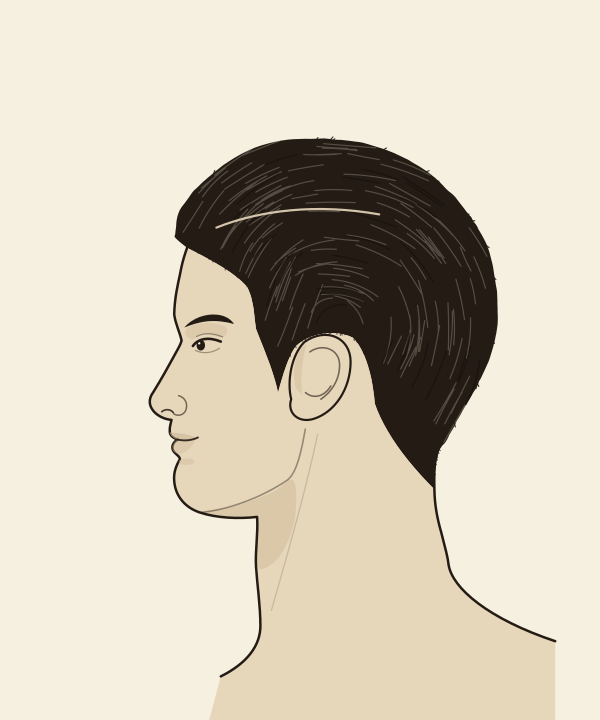
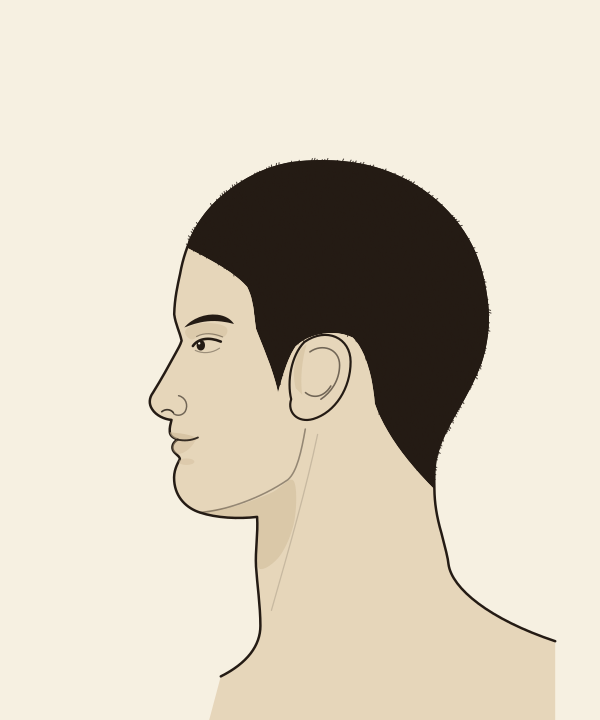
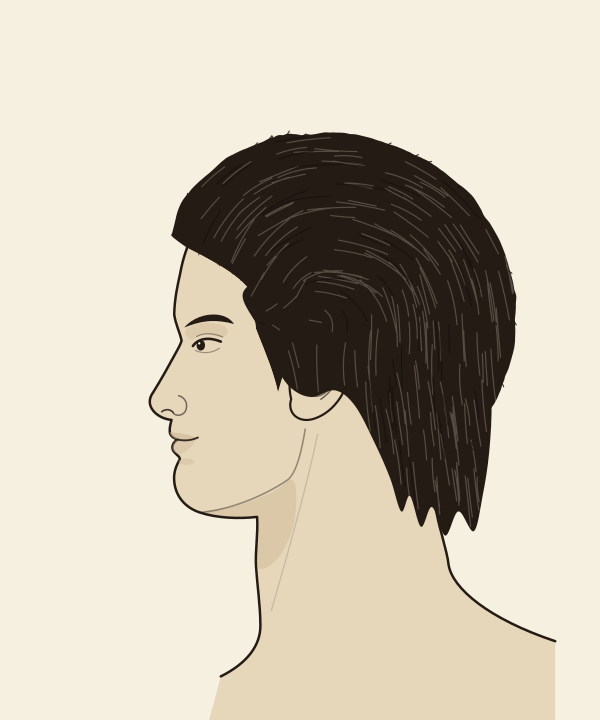
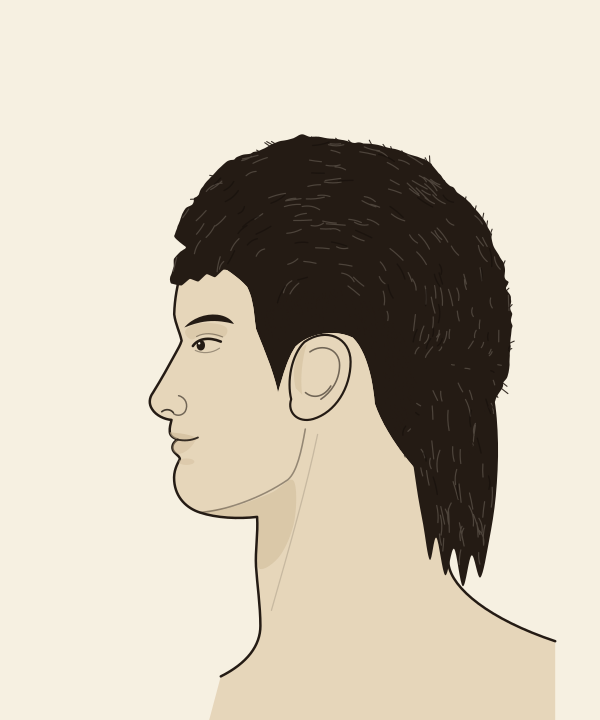
Tap a plate for what to ask for, who it suits and how it grows out — and a full-screen version to show your barber.
Every cut is drawn on the same head, so the only thing that changes from plate to plate is the haircut.
The vocabulary
Speak barber, fluently.
Every bad haircut starts as a translation error. These are the words a cut is actually ordered in.
A fade is a gradient — hair that goes gradually from longer up top to shorter (or bare) below. The only real question is where the gradient starts climbing.
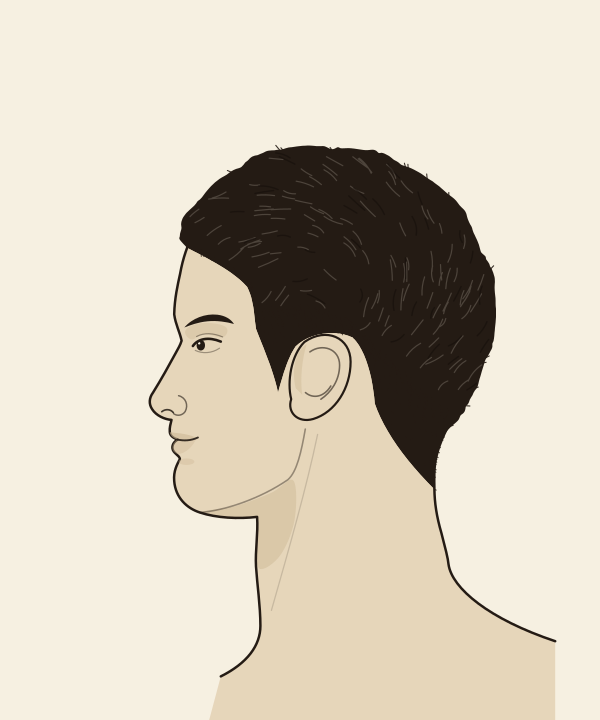
- 1Blend starts just above the ear
- 2Weight kept through the sides
- 3Natural on top
Low fade
The blend starts just above the ears and hugs the hairline. Subtle, tidy, office-proof — the fade you can take anywhere.
Say this in the chair
“Low fade, tight at the ears, keep it natural on top.”
How it grows out
Grows out the most gracefully of the three. Sharp for 2–3 weeks, respectable for four.
Not sure what suits you?
Bring a reference. We’ll take it from there.
A plate shows a shape, not your head. Every cut here starts with a consultation, and your barber will tell you straight what your hair will and won’t do.
- 01
Hair texture
Straight, wavy, curly or coily — it decides what holds a shape and what fights it.
- 02
Growth pattern
Cowlicks, crowns and hairlines. The cut works with them or it doesn't work.
- 03
Head shape
Where a blend sits changes how a head reads. A good fade is fitted, not copied.
- 04
Maintenance
How often you'll really come back. An honest answer picks half the haircut.
Make it official
Make your next appointment your easiest one.
No shop picked? No problem — you can choose one on the booking page.